Ford Motor Company has issued Safety Recall 26S36 (NHTSA Campaign 26V-340) to address a manufacturing defect in the front suspension of certain vehicles. This campaign covers a highly targeted group of 4,653 vehicles nationwide, including approximately 2,296 model year 2021–2026 Ford Bronco Sport SUVs and 2,357 model year 2022–2026 Ford Maverick trucks. Because of the severity of this defect, Ford has issued a strict Do Not Drive advisory for affected vehicles. Owners are instructed to keep their vehicles parked until a certified technician can inspect and repair the front lower control arm ball joint assembly.
For drivers navigating the river valleys and rolling plains of Great Falls, Montana, a secure suspension system is vital. Our team at the Bison Ford service department is prepared to assist affected owners immediately. While this specific recall is limited to a small batch of vehicles, safety remains the priority across our entire lineup. This focus on durability extends to other models, including the rugged Ford Bronco, the highly capable Ford F-150, the versatile Ford Ranger, and the all-electric Ford F-150 Lightning. The same high standards of maintenance apply to larger SUVs like the Ford Expedition and the family-friendly Ford Explorer. Heavy-duty workhorses like the Ford Super Duty and commercial vehicles like the Ford Transit rely on robust suspension components to handle demanding daily workloads. Owners can contact our staff at (406) 727-2552 to verify whether a specific vehicle is included.
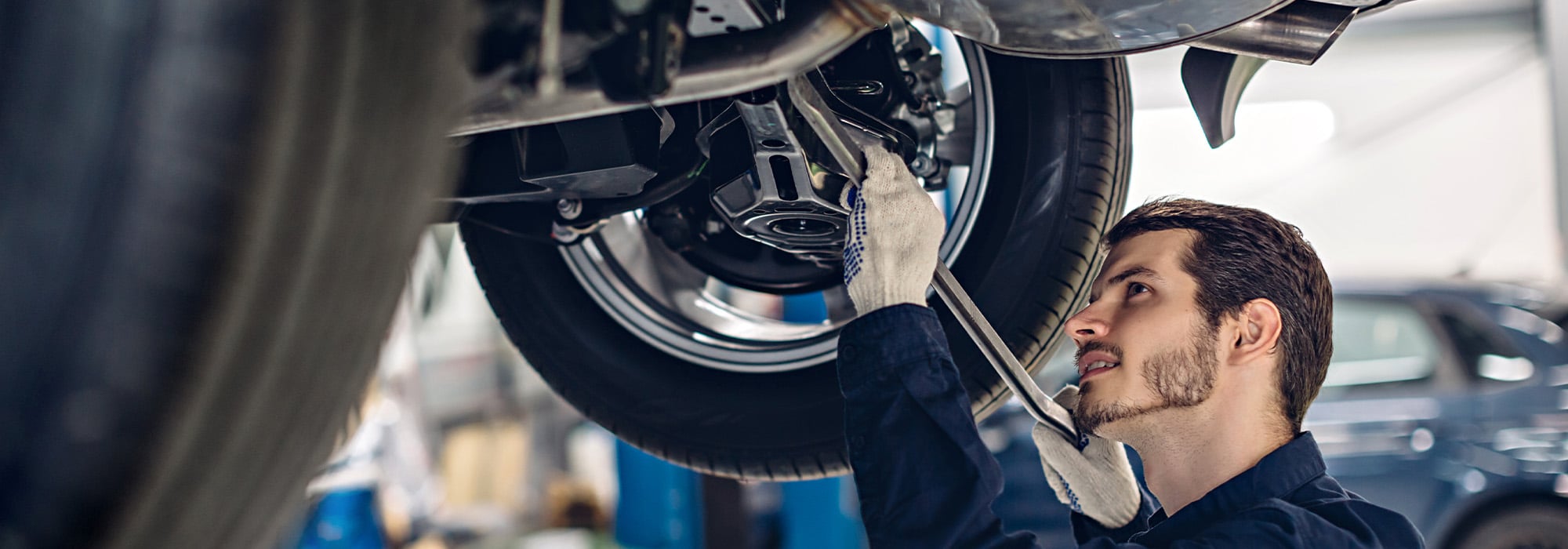
Table of Contents
- Identifying the Mechanical Risks of Lower Ball Joint Separation
- Early Warning Signs of Front Suspension Failure on Your SUV
- How to Verify If Your Specific Bronco Sport Is Included in the Recall
- What to Expect During the Recall Repair and Alignment Process
- Transport and Alternative Transportation Options for Affected Owners
- Recommended Suspension Maintenance and Inspection Intervals
- Common Questions About the Bronco Sport Suspension Campaign
- Restoring Your Peace of Mind with Certified Ford Service
Identifying the Mechanical Risks of Lower Ball Joint Separation
The mechanical design of the independent front suspension relies heavily on the structural integrity of the lower control arm. This critical component connects the wheel hub and steering knuckle directly to the vehicle's frame. At the outer end of this arm sits the lower ball joint, a highly engineered spherical bearing that allows the front wheels to steer while absorbing vertical impacts. Just as the heavy-duty chassis of the 2027 Ford Expedition requires robust suspension pivots to handle immense weight, this crossover relies on its ball joints to maintain precise wheel alignment under pressure.
For the 2026 model year, the vehicle is equipped with standard four-wheel drive, a 2.0L EcoBoost engine, and an 8-speed automatic transmission. This configuration is built to handle both daily driving and off-road terrain, offering up to 29 cubic feet of cargo room and a towing capacity of 2,700 lb. However, the manufacturing defect under this recall compromises this durability. On affected vehicles built prior to June 1, 2025, the front lower control arm ball stud may not have been fully inserted into the wheel knuckle before the critical pinch bolt was torqued.
This assembly error creates a severe hazard during normal operation. Under high-load conditions, such as hard braking, sudden steering maneuvers, or driving on unpaved roads, the ball joint can experience mechanical deformation. If the ball stud completely separates from the wheel knuckle, the front wheel can pivot outward unpredictably. This sudden physical detachment leads to an immediate loss of steering control and increases the risk of a crash.
â
Early Warning Signs of Front Suspension Failure on Your SUV
Suspension components often provide distinct physical feedback before experiencing a complete mechanical failure. While all-electric models like the Ford Mustang Mach-E place different weight loads on their structures, any vehicle with a compromised suspension joint will display similar warning signs. Drivers should remain highly alert to any changes in steering feel, ride quality, or front-end noises.
An early indicator of a degrading ball joint is a metallic clunking or popping noise. This sound typically originates from the front wheel area and is most pronounced when traveling over speed bumps, pulling into driveways, or navigating sharp turns at slow speeds. As the internal tolerances of the ball joint degrade, the ball stud begins to rattle inside its housing, producing a physical knock.
Another common symptom is a loose or wandering steering wheel. When a ball joint develops excessive play, it alters the steering geometry, causing the vehicle to drift slightly to one side. This can also manifest as a persistent vibration or shimmy through the steering wheel at highway speeds. Over time, this misalignment leads to rapid, uneven tire wear, typically visible as feathering or cupping on the inner or outer edges of the front tires.
â
How to Verify If Your Specific Bronco Sport Is Included in the Recall
Determining whether your vehicle is affected by a safety campaign requires checking its unique 17-digit Vehicle Identification Number. Whether maintaining a performance car like the Ford Mustang or a rugged 4x4, tracking open campaigns is a vital part of responsible vehicle ownership. Because this specific suspension recall is limited to a small production window of 4,653 total vehicles, the vast majority of owners are not affected.
The 17-digit code is printed in several standard locations on your vehicle. The most accessible spot is on a metal plate located on the lower driver-side dashboard, visible from the outside looking through the windshield. It is also printed on the safety certification label on the driver-side door jamb, as well as on your vehicle registration card and insurance documents.
Once this code is located, owners can input it directly into the official Ford online recall lookup tool or the NHTSA recall portal. If the search returns a message stating "0 unrepaired recalls," the vehicle is currently clear of any active campaigns. Because safety databases are continuously updated as manufacturers analyze production batches, checking vehicle status twice a year is an excellent preventative maintenance habit.
â
What to Expect During the Recall Repair and Alignment Process
Safety recall repairs are completed entirely free of charge to the vehicle owner under federal regulations. This coverage includes all necessary genuine parts, professional diagnostic checks, and the labor required for our factory-certified technicians to complete the work. Owners can easily schedule a service appointment online to have our team verify vehicle status and perform the inspection.
During the service visit, our technicians will position the vehicle on a professional lift to perform a detailed physical inspection of the left and right front lower control arm assemblies. If the components are identified as part of the affected manufacturing batch, the technician will remove the front wheels, disconnect the steering knuckle, and replace the front lower control arm assemblies with redesigned, factory-certified parts.
Because replacing major suspension components alters the steering geometry, a professional wheel alignment is a standard part of this repair protocol. This step ensures that the steering feels precise, the vehicle tracks straight, and the tires wear evenly. Our service advisors will document the completed repair in the factory database, officially clearing the open recall from the vehicle's history.
â
Transport and Alternative Transportation Options for Affected Owners
Operating a vehicle under an active Do Not Drive advisory carries significant safety risks. For owners commuting through the steep mountain passes near Helena, driving with a compromised front suspension is a major hazard. To prevent any on-road failures, Ford is arranging complimentary towing directly to authorized dealerships for all affected vehicles. Owners should not attempt to drive their SUVs to the service center.
To arrange safe transport, owners can contact Ford Roadside Assistance at 1-800-241-3673. This manufacturer-backed service provides towing to the nearest certified facility, ensuring the vehicle is handled by professionals who understand its specific requirements. Our service team is also available to help coordinate this transport to minimize any hassle.
We understand that having a primary vehicle in the shop disrupts daily routines. To keep drivers moving, alternative transportation solutions are available for safety recall customers. Depending on current parts availability and service scheduling, we can provide a complimentary local shuttle service or assist in coordinating a loaner vehicle while suspension repairs are being completed.
â
Recommended Suspension Maintenance and Inspection Intervals
Maintaining a healthy suspension system is essential for preserving vehicle handling, tire life, and overall safety over the long term. The front suspension utilizes a MacPherson strut design with a stabilizer bar, which is engineered to balance on-road comfort with off-road capability. While recalls address specific manufacturing anomalies, normal wear and tear still requires consistent professional oversight.
A comprehensive visual inspection of the front suspension is recommended at least once a year or every 12,000 to 15,000 miles. During this check, a technician will inspect the rubber dust boots on the ball joints and steering tie rods for tears, cracks, or grease leaks. Damaged boots allow moisture, road salt, and abrasive dirt to enter the joint, leading to rapid internal wear and premature failure.
Vehicles that are frequently driven on rough, unpaved roads or used for off-road excursions require more frequent inspections. The high-amplitude vibrations and physical impacts of rugged terrain place increased stress on the lower control arms, bushings, and dampers. Catching minor wear early prevents it from cascading into costly steering or tire damage.
â
Common Questions About the Bronco Sport Suspension Campaign
Q: Are other Ford SUVs or Broncos affected by this specific lower ball joint recall?
No, this particular campaign is highly targeted and does not apply to the standard body-on-frame Ford Bronco or other SUV models. The recall is strictly limited to a specific manufacturing batch of lower control arm assemblies used in a small number of Bronco Sport and Maverick vehicles.
Q: If my vehicle shows zero open recalls, could my ball joints still fail?
While your vehicle may not be part of the recalled manufacturing batch, suspension components are wear items that degrade over time. Standard wear from high mileage, rough roads, or environmental exposure can still cause ball joint play, which is why regular inspections during routine oil changes are recommended.
Q: Does this suspension recall affect a vehicle's factory warranty coverage?
Completing a safety recall has no negative impact on the existing factory warranty. Having the work performed by certified technicians using genuine OEM parts ensures that the bumper-to-bumper and powertrain coverages remain fully intact and compliant with manufacturer standards.
Q: What should an owner do if they previously paid out of pocket to repair a front ball joint issue?
If an owner paid for a front lower control arm or ball joint repair before the official safety recall was announced, they may be eligible for a refund from the manufacturer. The owner will need to present original repair receipts, parts invoices, and proof of payment to our service advisors to submit a reimbursement claim.
Q: Can I visually inspect the lower ball joints myself to see if they are failing?
A visual inspection can reveal severely torn rubber boots, leaking grease, or excessive rust, but it cannot accurately measure internal mechanical play. A professional technician must lift the vehicle and use specialized leverage tools to safely check for movement within the ball joint housing.
â
Restoring Your Peace of Mind with Certified Ford Service
Our team at Bison Ford is fully committed to keeping vehicles safe, reliable, and ready for any road conditions. Our factory-trained technicians have the specialized tools, diagnostic equipment, and genuine OEM parts required to complete safety recall repairs quickly and professionally. We prioritize recall campaigns to minimize disruption to schedules while ensuring each vehicle meets the manufacturer's strict structural standards.
If a vehicle is included in this suspension campaign, please do not attempt to drive it. Contact us directly to let our advisors help coordinate complimentary towing and service scheduling. For drivers who need to drop off paperwork or speak with our maintenance team in person, you can find our service bays at 500 10th Ave S, Great Falls, MT 59405. Give our service desk a quick call today to verify your recall status and restore peace of mind on the road.
© 2026 Bison Ford. All rights reserved.